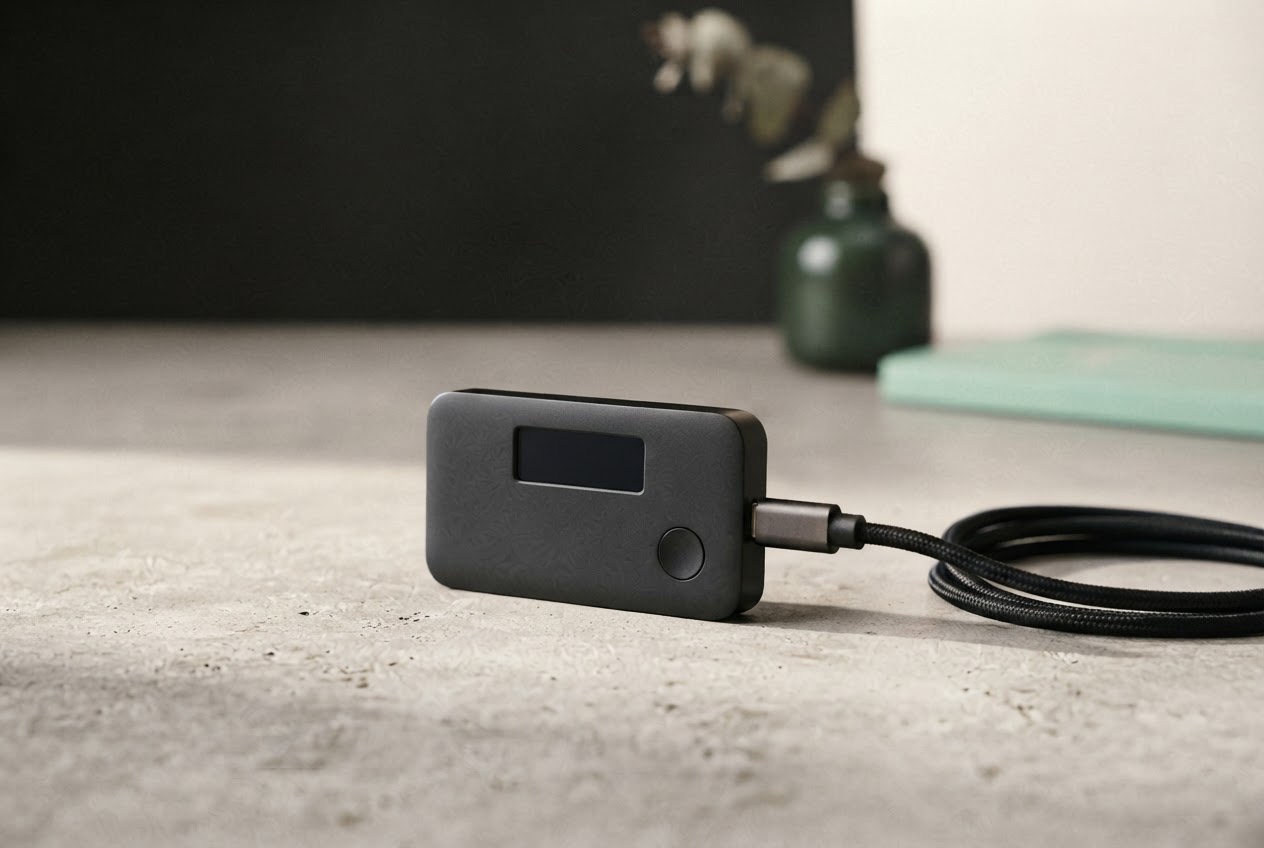
Understanding Trezor.io/start
A device setup guide is a map—not a shortcut around security checks. It helps you understand the order of common tasks, the questions you may encounter, and where careful attention matters before you begin.
For someone new to a hardware wallet, the first session can involve connecting a device, reviewing instructions, making choices about setup, and learning how recovery information works. Exact screens and steps may change across device models or software versions, so treat this page as general education rather than a replacement for current instructions from a trusted source. The useful mindset is simple: go slowly, make sure each prompt fits the action you chose, and pause when something does not.
Prepare before you begin
Set aside a few uninterrupted minutes and gather the device and suitable cable. Use a computer or phone you control, with a current operating system and a private screen. Avoid public computers, borrowed accounts, and rushed setup in a place where another person can easily see sensitive details.
Choose a trusted environment
Close unrelated tabs and messages. Keep the device and your display in your control.
Read before confirming
Check the information shown on the physical device, especially when authorizing an action.
Question unexpected advice
Ignore unsolicited setup links or instructions asking you to disclose private information.
The device starting journey
Use this sequence as a mental model. Follow the up-to-date directions for your own device and take each stage at a comfortable pace.
Make a calm start
Choose a quiet moment, gather the device and cable, and make sure you can focus on each prompt without being rushed.
Use your own trusted setup
Connect the device directly to a computer or phone you control. Avoid shared machines and unverified accessories.
Pause and inspect
Compare what appears on the physical device with the action you intended. Stop if anything is unexpected or unclear.
Follow current guidance
Use trusted, current software instructions and take one step at a time. Device prompts should remain part of the decision.
Keep recovery details private
Handle recovery information with care. Keep it offline and private, and never disclose it to a person or suspicious site.
Check your own settings
Before you finish, review the security options and confirm you understand how you will store and access your recovery details.
Why device verification matters
Verification is a habit of checking what you have, what you are viewing, and whether an instruction is consistent with what you set out to do. A device prompt is a chance to catch a mismatch before confirming. Take the time to read it rather than treating the screen as a formality.
Use authenticity indicators and setup checks provided through trusted, current guidance, and pay attention to any warning. A warning does not automatically tell you what happened, but it is a reason not to guess or click through. Stop, note what you see without sharing secrets, and seek independently verified instructions. No online guide can inspect your particular device remotely.
Pause on a mismatch. If the device shows an action you did not request, or an instruction conflicts with the prompt, do not continue until you understand why.
Recovery information is yours alone.
Recovery information can be used to restore access to a wallet. Keep it private and store it carefully, following trusted instructions for your device. Never share it with another person—not even someone claiming to be support—and never enter it into a website, chat, email, or form because a message tells you to.
If a setup page or person asks for your recovery details unexpectedly, stop. Do not disclose them to “verify” an account or fix a problem. This guide will never ask you to enter or share them.
Safe setup habits
Small checks make it easier to spot a strange detour. Apply these habits throughout setup and later whenever you manage a device or account.
Check the address carefully. Look for misspellings, extra words, or unusual page paths before trusting a site.
Find guidance on your own. Avoid unsolicited instructions, direct messages, pop-ups, and links from unfamiliar sources.
Keep sensitive details off-screen. Do not photograph, upload, or casually copy recovery information into connected devices.
Use trusted software sources. Confirm download instructions through a destination you have independently checked.
Common beginner mistakes
Good security often looks like taking one beat longer.
Rushing through prompts
Take a moment to read each device message and confirm that it matches the step you initiated.
Trusting a message or search ad
Unexpected support messages, pop-ups, and promoted links can lead to impersonation pages. Navigate deliberately.
Sharing recovery information
No helper needs your recovery words to troubleshoot a setup. Treat any request for them as a reason to stop.
Using an unknown download
Do not install tools from links in unsolicited messages or instructions you cannot verify independently.
Final setup checklist
- Device prepared
- Setup information reviewed
- Device prompts checked
- Recovery information protected
- Security settings reviewed
- Suspicious requests avoided
A checklist is a reminder, not a security guarantee. If a step feels uncertain, pause and verify it through trusted guidance.
Frequently asked questions
Short answers for your first setup session.
What is Trezor.io/start for?
It is commonly used as a starting point for learning about preparing and setting up a Trezor device. This independent guide explains the general journey; always verify the destination and current instructions yourself.
What should I have ready before setup?
Have your device, an appropriate connection cable, and a trusted computer or phone available. Choose a private place where you can read prompts carefully without interruption.
How can I think about device verification?
Pay attention to authenticity checks and compare important actions on the device itself with what you intended. Pause if a warning, screen, or instruction seems unfamiliar.
Should I share or enter my recovery information online?
No. Keep it private and offline. Do not share it with another person or type it into a website, form, chat, or message in response to a request.
What if a setup instruction looks suspicious?
Stop before proceeding. Close the suspicious page or message, avoid entering sensitive information, and independently find trusted current guidance through a URL you have checked.